News

Centre for Language and Brain Conducts First Neurolinguistic Field Study of Reading in Yakut

Centre for Language and Brain Conducts First Neurolinguistic Field Study of Reading in Yakut
In July, a team from the HSE Centre for Language and Brain, in collaboration with the Centre for the Study, Preservation, and Development of Native Languages of the Academy of Sciences of the Republic of Sakha (Yakutia), conducted the first-ever neurolinguistic expedition to the village of Churapcha to study reading in the Yakut language using electroencephalography (EEG). For the first time, EEG data from 43 adults and behavioural data from 40 children was collected during the two-week expedition.

HSE Neurolinguists Reveal What Makes Apps Effective for Aphasia Rehabilitation

HSE Neurolinguists Reveal What Makes Apps Effective for Aphasia Rehabilitation
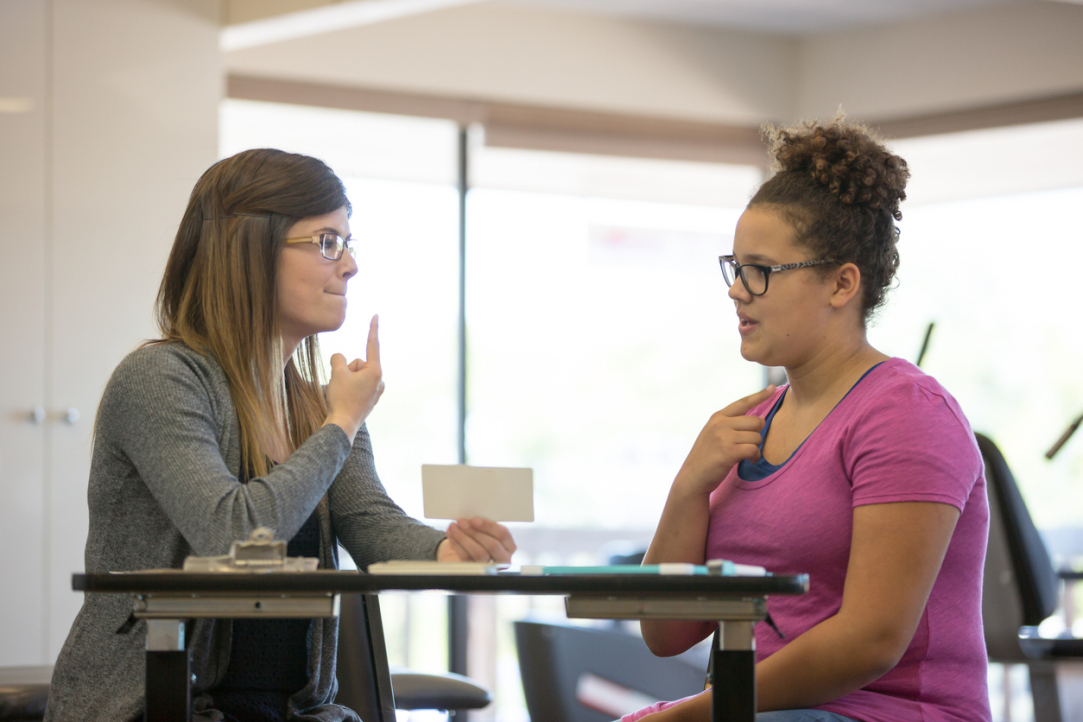
Scientists at the HSE Centre for Language and Brain have identified key factors that increase the effectiveness of mobile and computer-based applications for aphasia rehabilitation. These key factors include automated feedback, a variety of tasks within the application, extended treatment duration, and ongoing interaction between the user and the clinician. The article has been published in NeuroRehabilitation.

Scientists Reveal Cognitive Mechanisms Involved in Bipolar Disorder

Scientists Reveal Cognitive Mechanisms Involved in Bipolar Disorder
An international team of researchers including scientists from HSE University has experimentally demonstrated that individuals with bipolar disorder tend to perceive the world as more volatile than it actually is, which often leads them to make irrational decisions. The scientists suggest that their findings could lead to the development of more accurate methods for diagnosing and treating bipolar disorder in the future. The article has been published in Translational Psychiatry.

'Samarkand—St Petersburg': HSE University–St Petersburg and Samarkand State University to Design Digital Future of Cultural Heritage

'Samarkand—St Petersburg': HSE University–St Petersburg and Samarkand State University to Design Digital Future of Cultural Heritage
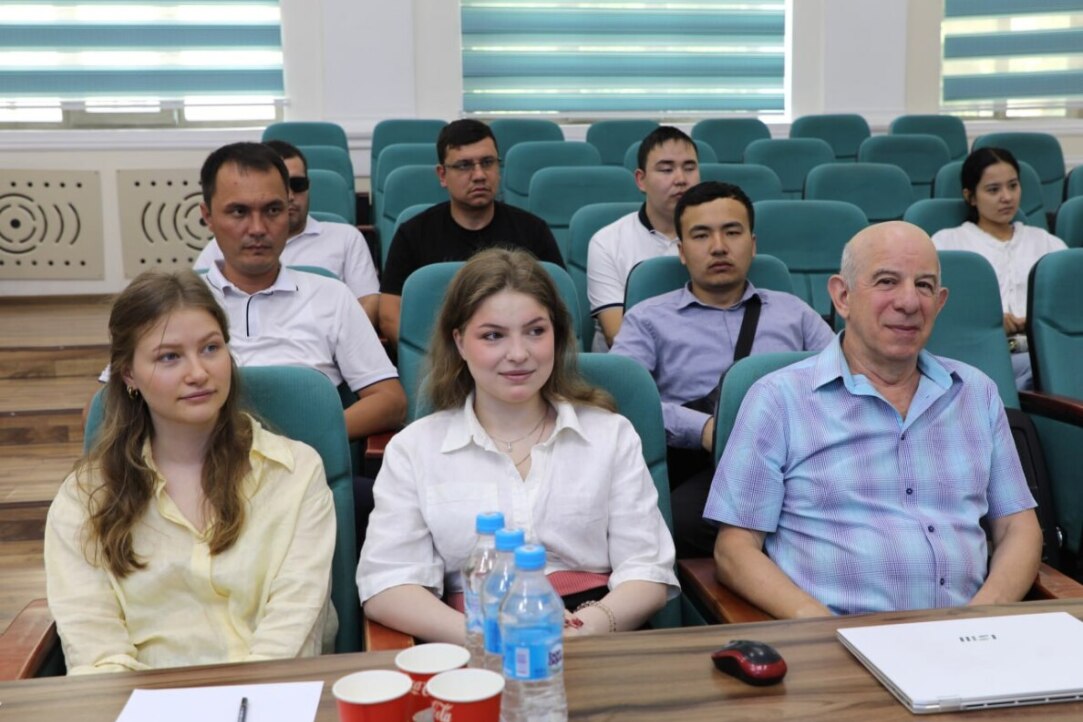
Samarkand State University named after Sharof Rashidov hosted the international research and educational seminar 'Branding Cultural Heritage: Digital Tools and Design Practices.' The event gathered researchers and students from Russia and Uzbekistan—participants of a large-scale project of the mirror laboratory 'Integrated Platform Solutions for the Preservation and Promotion of Cultural Heritage (Cases of Samarkand and St Petersburg)'.

HSE Takes Part in BRICS Summit

HSE Takes Part in BRICS Summit
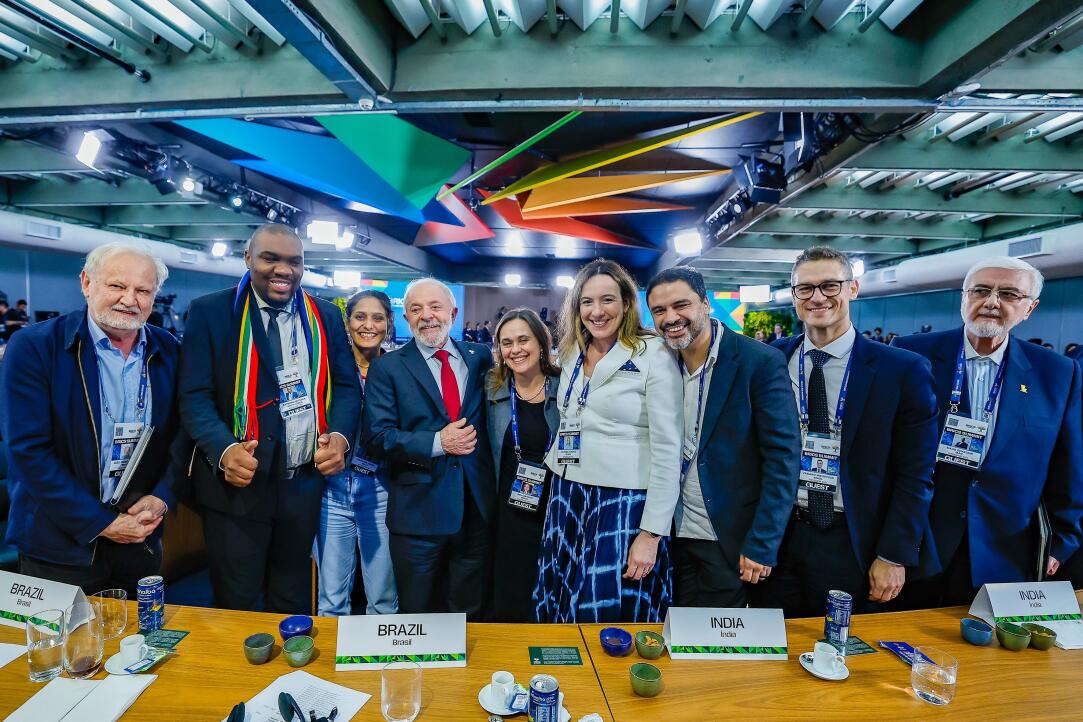
On July 6–7, 2025, the 17th BRICS Summit took place in Rio de Janeiro. For the first time in the organisation’s history, representatives of civil society from BRICS countries participated. HSE Vice Rector, Head of the BRICS Expert Council–Russia, and Co-Chair of the Russian Chapter the BRICS Civil Forum Victoria Panova attended the meeting of the bloc’s national leaders.

How to Accelerate Achievement of Sustainable Development Goals in the Global South: Experts Discuss Challenges at UN Conference

How to Accelerate Achievement of Sustainable Development Goals in the Global South: Experts Discuss Challenges at UN Conference
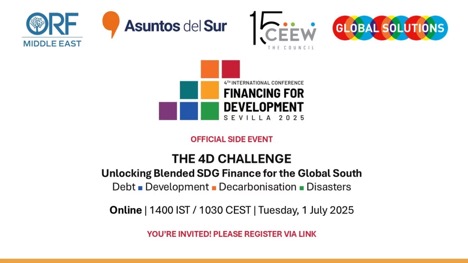
A Round Table on SDG financing in countries of the global South was held under the IV International Conference on Financing for Development. International experts, including Liliana Proskuryakova, Head of the ISSEK Laboratory for Science and Technology Studies, discussed the main challenges that developing countries face on the path to SDGs and ways to overcome them.

HSE Linguists Study How Bilinguals Use Phrases with Numerals in Russian

HSE Linguists Study How Bilinguals Use Phrases with Numerals in Russian
Researchers at HSE University analysed over 4,000 examples of Russian spoken by bilinguals for whom Russian is a second language, collected from seven regions of Russia. They found that most non-standard numeral constructions are influenced not only by the speakers’ native languages but also by how frequently these expressions occur in everyday speech. For example, common phrases like 'two hours' or 'five kilometres’ almost always match the standard literary form, while less familiar expressions—especially those involving the numerals two to four or collective forms like dvoe and troe (used for referring to people)—often differ from the norm. The study has been published in Journal of Bilingualism.

HSE University at VK Fest: A Journey into the Worlds of Technology, Design, and Space

HSE University at VK Fest: A Journey into the Worlds of Technology, Design, and Space
HSE University will showcase cutting-edge innovations and educational opportunities at the anniversary edition of VK Fest 2025, Russia’s largest youth festival. Visitors can look forward to interactive workshops, VR exhibitions, AI-powered tech games, and even a chance to send a message into space.

‘Rafting Is Sport, Journey, Mutual Support, and Pure Motivation’

‘Rafting Is Sport, Journey, Mutual Support, and Pure Motivation’
HSE University has launched its first official men’s and women’s rafting teams, coached by Nikita Zhuravlev—a graduate of the Bachelor’s programme in Media Communications at the Faculty of Creative Industries, President of the Moscow Rafting Federation, and founder of the rowing club Academia. This season, the teams are preparing for six key races as part of the amateur league. In an interview with the HSE News Service, the coach explains how this marks a unique milestone.

HSE Graduate School of Business project recognized as one of Russia’s best ESG initiatives

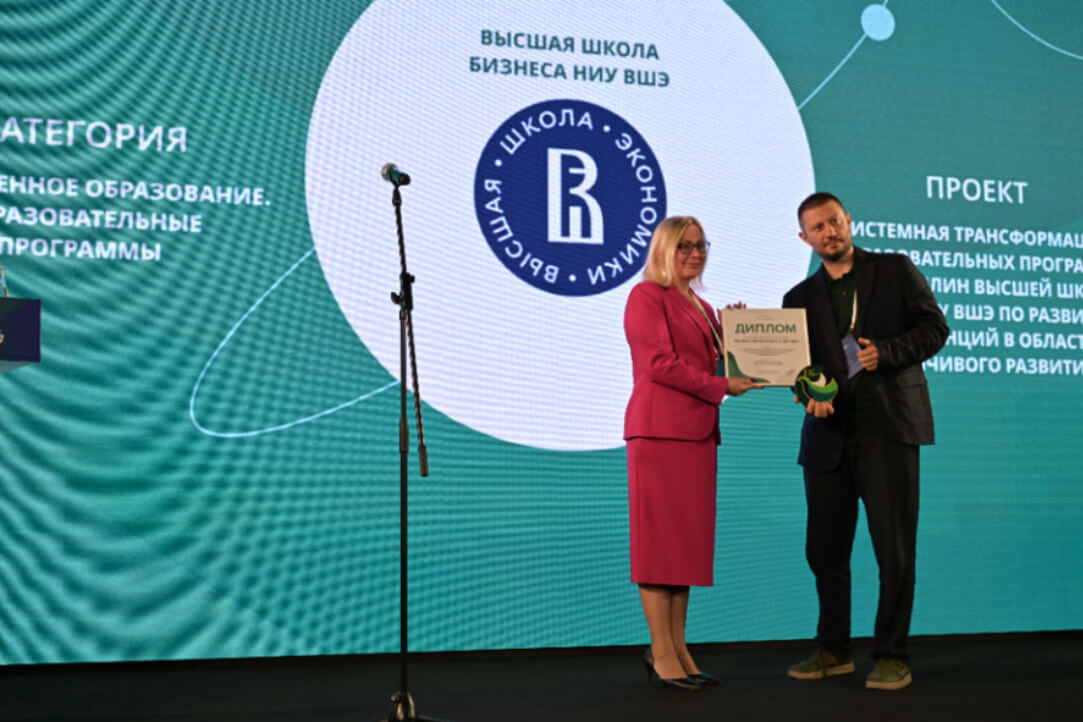
HSE Graduate School of Business project recognized as one of Russia’s best ESG initiatives
The initiative of the Graduate School of Business at the National Research University Higher School of Economics (HSE GSB) has been named a laureate of the annual “Best ESG Projects in Russia” program. The results were announced on June 25 in Moscow.